Lead-carbon AGM
for partial-state-
of-charge duty.
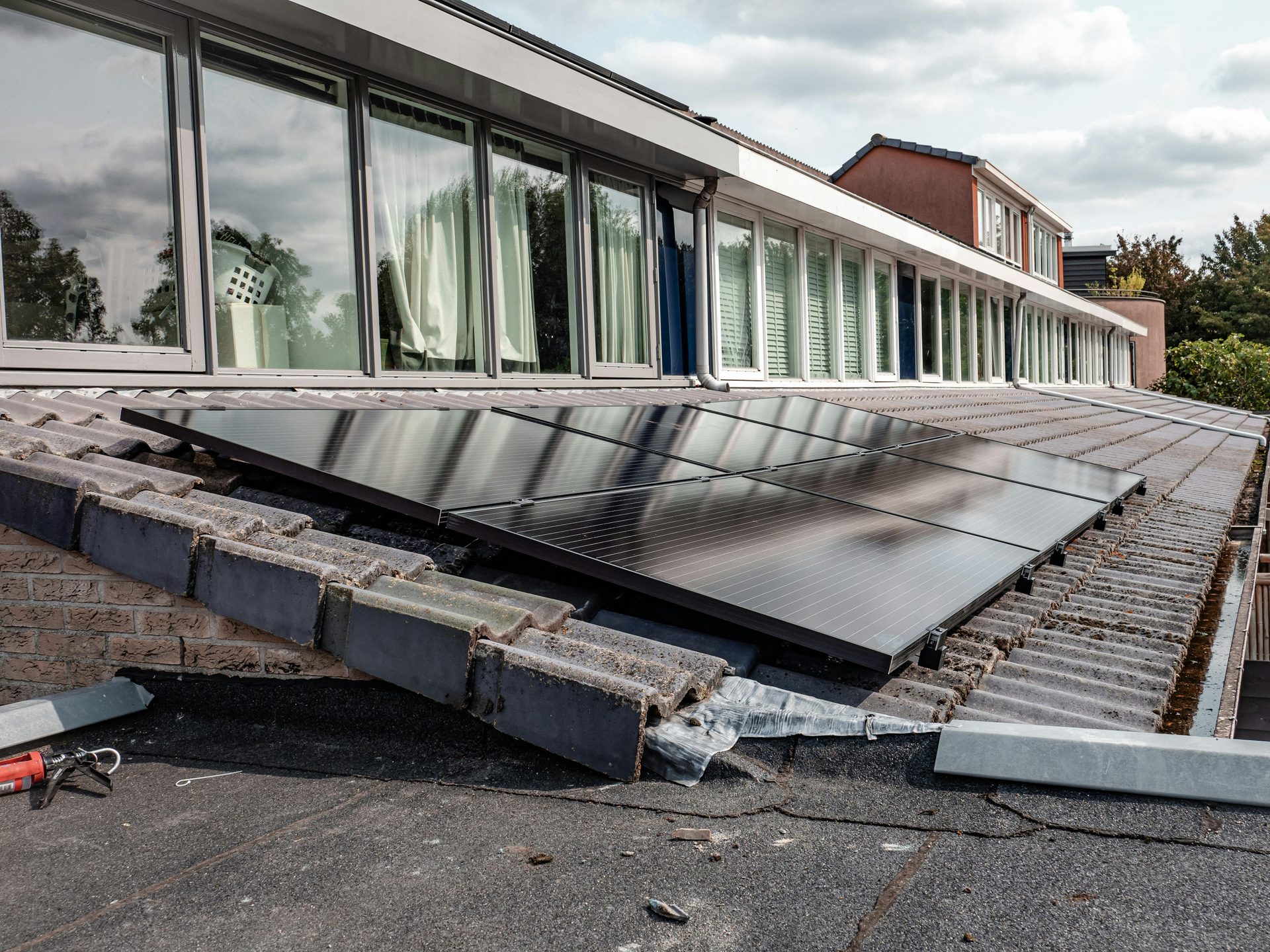
Solar self-consumption batteries spend most of their life never fully charged. Standard AGM sulfates and dies in twelve to eighteen months. Lead-carbon negatives suppress sulfation across thousands of partial cycles.
Carbon-added negatives
Activated carbon in the negative active material suppresses sulfate crystallisation during partial state-of-charge cycling.
Solar self-consumption
PV systems with daily partial discharges and overnight recharges. The duty where AGM fails first.
Hybrid micro-grid
Behind-the-meter storage where charge windows are short and SoC rarely returns to 100%.
Recovers from sulfation
PSoC duty causes sulfate buildup over time. Lead-carbon design partially recovers between full charge events.
PSoC duty kills float-grade AGM. LC is built for it.
Lead-carbon AGM blends activated carbon into the negative active material. Carbon provides a non-faradaic charge pathway that reduces sulfate crystal growth during partial-state-of-charge cycling. EUROBAT classifies LC chemistry under the LL category for solar self-consumption duty. Tested per IEC 61427-1 for renewable energy storage.
LC Series — Lead-Carbon for PSoC Solar
SOLAR SELF-USE · PSoCLead-carbon AGM for partial-state-of-charge solar self-consumption. Carbon negatives suppress sulfation during incomplete recharge cycles. 12V from 200 to 230 Ah.
| Model | Voltage | C20 (Ah) | L × W × H (mm) | Weight | Terminal |
|---|---|---|---|---|---|
| ATB LC12-200 | 12V | 215Ah | 520 × 268 × 220 | 65 kg | M8 |
| ATB LC12-230 | 12V | 245Ah | 520 × 268 × 220 | 72 kg | M8 |
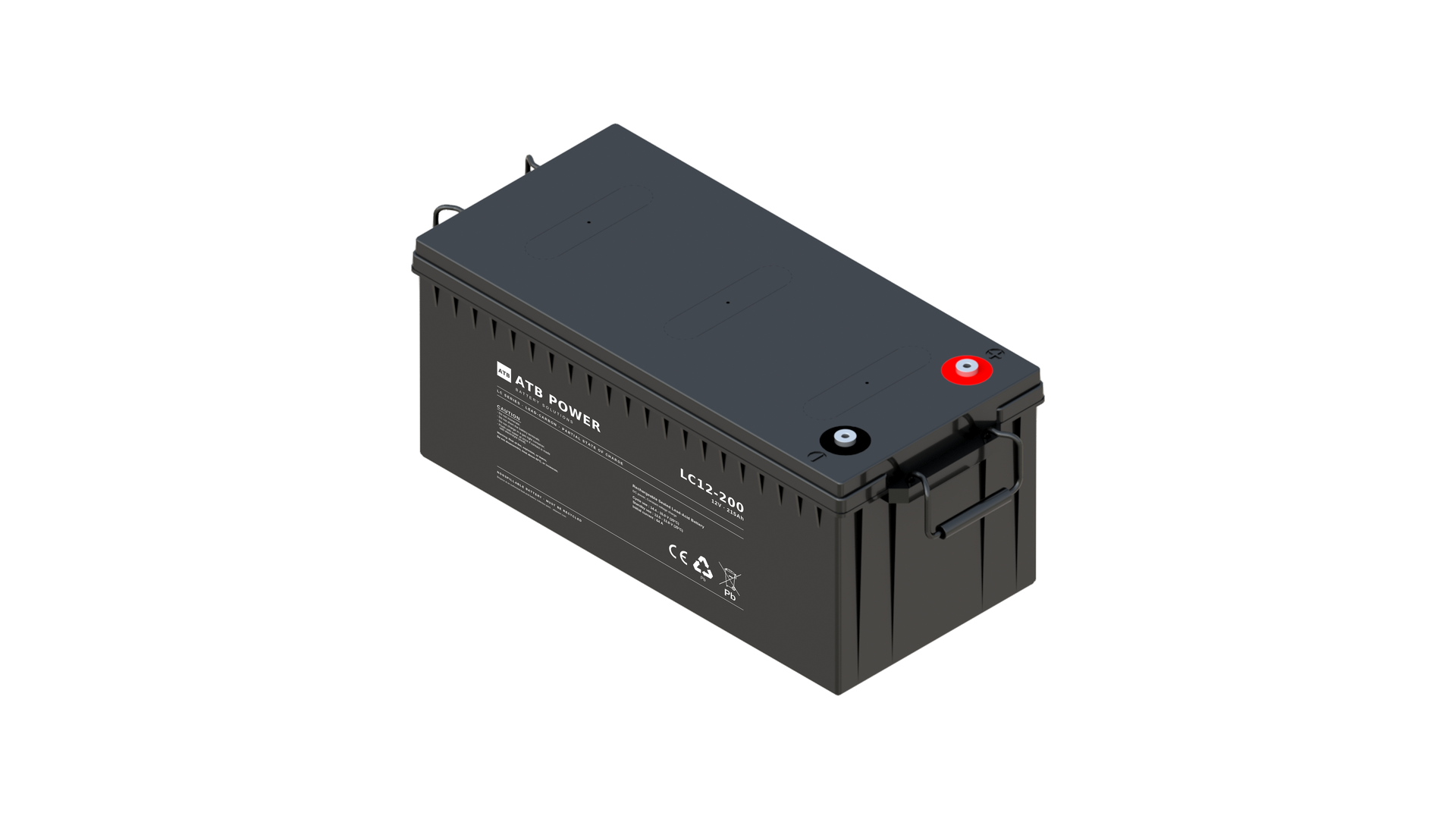 LC12-200
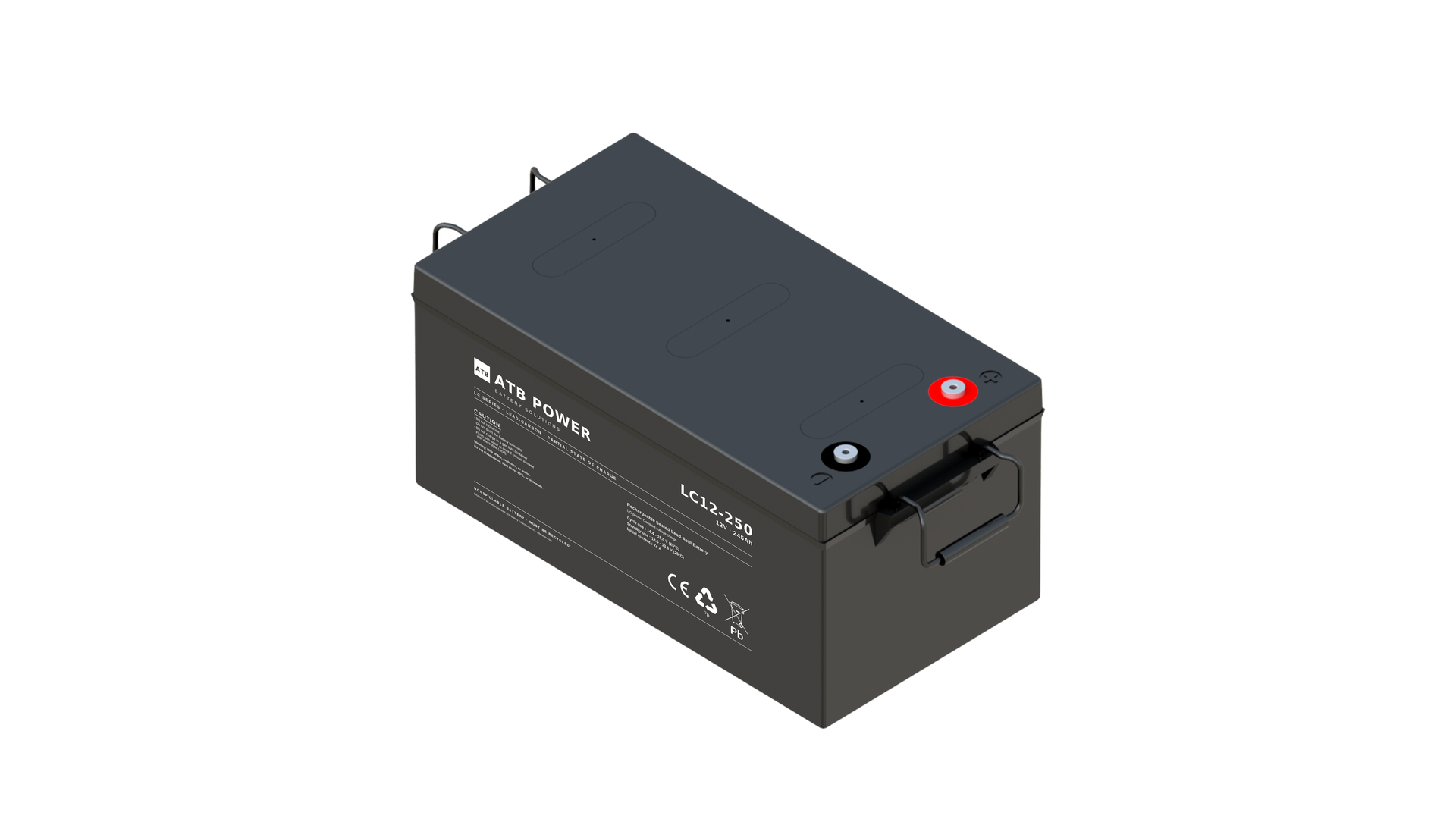 LC12-230
Representative sizes shown. Full LC Series range and datasheets at atbpower.com.

Factory & Compliance
Factory
- ISO 9001 Quality system
- ISO 14001 Environment
- ISO 45001 Occupational H&S
Product
- IEC 61427-1 Renewable storage
- UN 38.3 Transport
- IEC 60896-22 Stationary VRLA
PSoC duty
- EUROBAT LL Long-life class
- EN 50342-6 Hybrid cycling
- IEC 61427-1 Solar
LC series ships with PSoC cycle-life curves and recommended charge profiles for solar inverter integrators. The carbon-blend negative recovers over full equalisation, but most installs run for years on a partial-state programme. Application notes available via atbpower.com.