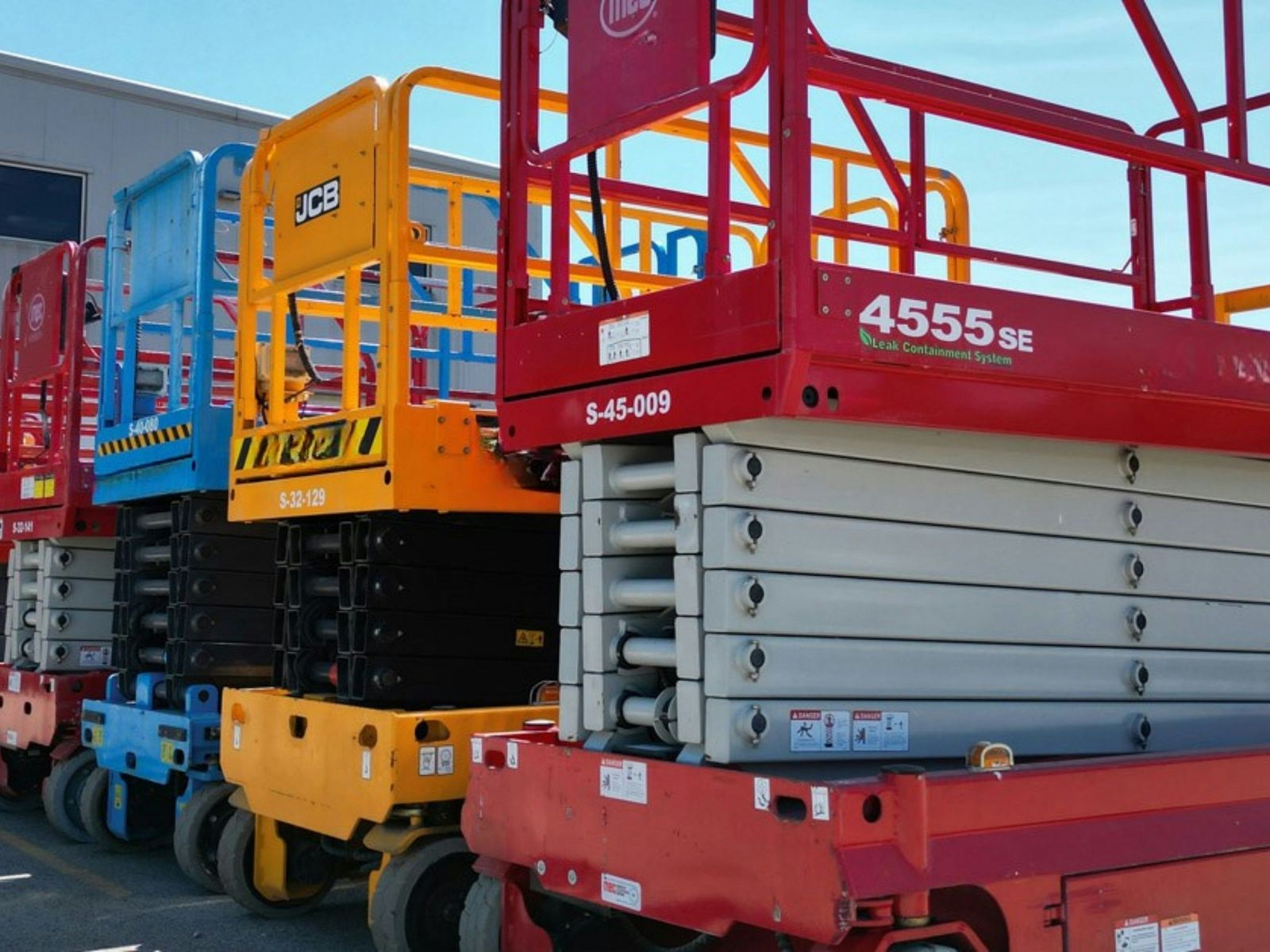
Swapping lead-acid for lithium is often a drop-in, but a few checks protect the battery and the machine. Run through these before you fit.
ATB lithium monoblocs are sized to common lead-acid footprints, so most upgrades are straightforward. Work through this checklist to avoid the few issues that catch people out.
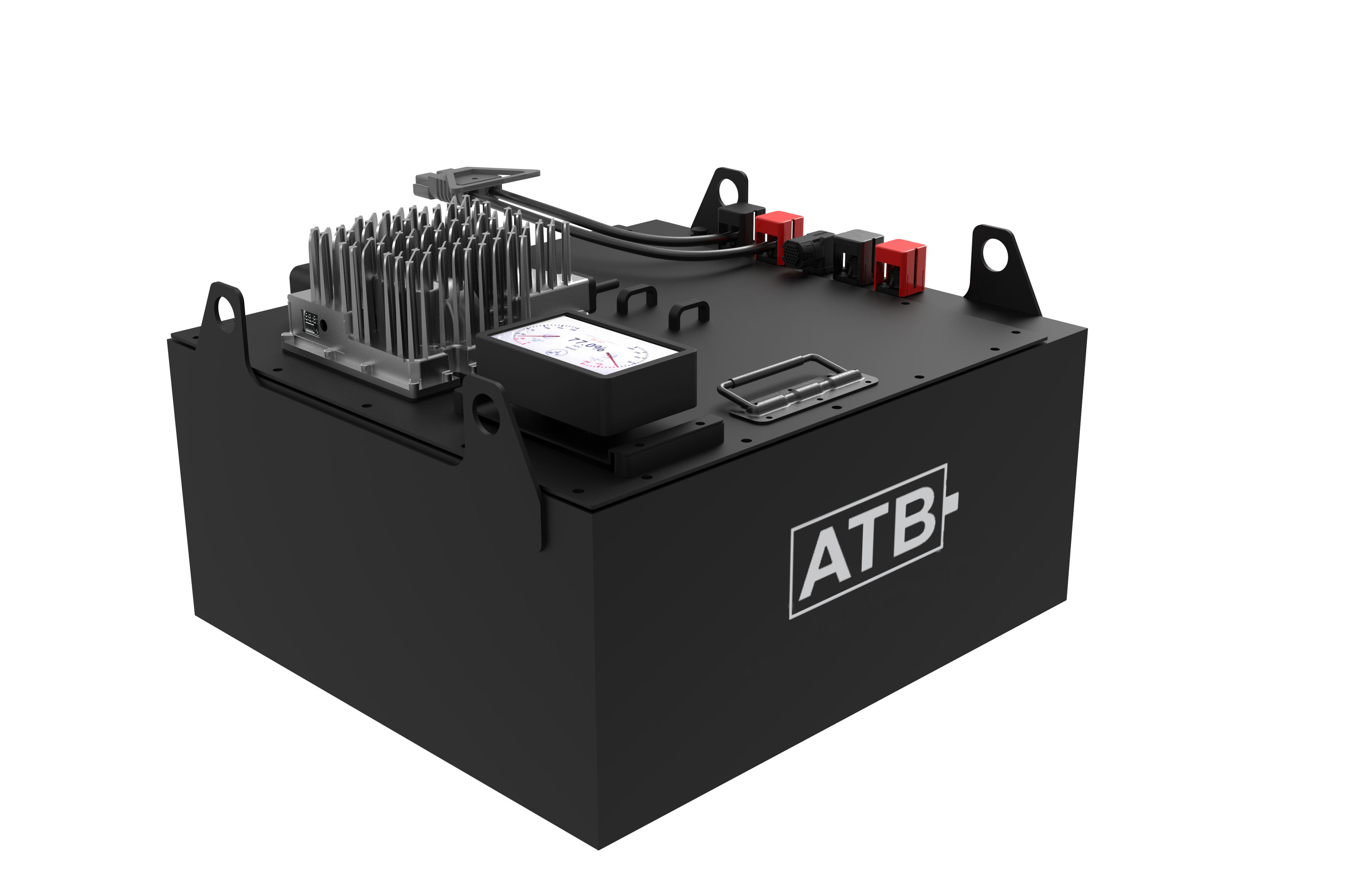
Confirm the system voltage (24, 36, 48 or 72 V) and that the monobloc fits the tray or compartment. Lithium nominal voltage is close to lead-acid, so most equipment runs unchanged.
Set the charger to a LiFePO4 profile at the correct voltage. Do not use a lead-acid charger with desulfation or equalization modes, and never apply a continuous float. An incorrect profile will under- or over-charge the pack.
Make sure peak charge and discharge currents stay within the pack rating. For high-draw equipment, confirm the continuous and peak current specs on the datasheet.
Lithium is much lighter than the lead-acid pack it replaces. On counterbalanced machines such as forklifts, you may need added counterweight to keep the original stability. Confirm with the equipment maker.
Lithium cannot charge below 0 degrees C. In cold stores or winter outdoor use, plan for a heated pack or warm-up before charging. Discharge works to well below freezing.
This guide is provided by ATB Power for general information. Figures are typical and may vary by model; always confirm against the specific product datasheet. © 2026 ATB Power.